

A swimming pool light housing does much more than hold a bulb underwater. Its niche must fit the pool wall, support the correct light fixture, provide the intended conduit connection and accommodate the grounding and bonding arrangement specified for the installation. Buying the wrong housing can leave a perfectly good light with nowhere suitable to mount, or create an expensive problem after concrete or a liner is already installed.
The nine options below cover concrete and gunite pools, vinyl-liner walls and fiberglass installations. Some use nonmetallic PVC construction, while others have stainless steel bodies and brass conduit hubs. Even among Pentair niches that look nearly identical, a 3/4-inch top hub and a 1-inch rear hub are different parts intended for different conduit routes.
Start with the pool surface and the exact light model, then compare the outlet location, conduit trade size and mounting pattern. A pool light niche is normally installed as part of a professionally designed wet-location electrical system, not treated as a generic replacement cup.
Quick Comparison of Swimming Pool Light Housing Options

- Injection-molded PVC niche for concrete/gunite pools
- Plaster flange with rebar tie-off holes
- 1-inch conduit fittings and 3/4-inch reducer included

- PVC niche intended for vinyl/fiberglass pool walls
- Face rim, sealing gaskets and backup-ring arrangement
- Ten-fastener faceplate system for panel installation

- Large PVC niche for concrete/gunite installation
- Rear 1-inch PVC hub with reducer fittings
- Rebar tie-backs, plaster ring and construction shield

- Large stainless steel niche for concrete pools
- 3/4-inch conduit hub positioned at top
- Internal/external bonding provisions
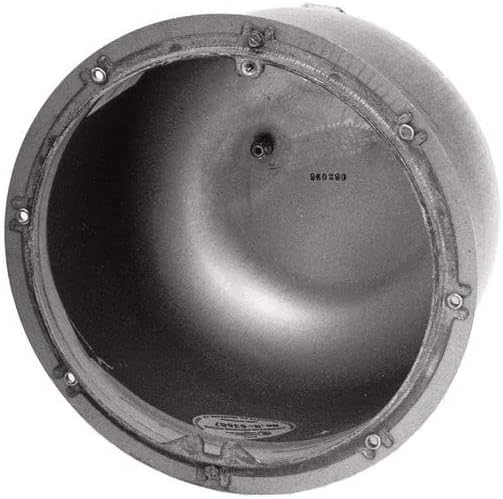
- Concrete-pool stainless steel housing
- Top-positioned 1-inch brass conduit hub
- Large-format light niche with bonding lugs

- Large stainless steel niche for concrete installation
- Rear-positioned 1-inch conduit connection
- Brass hub and internal/external bonding lugs

- Concrete/gunite large stainless steel niche
- Rear-positioned 3/4-inch conduit hub
- Brass fitting and bonding connections

- Large stainless steel niche for vinyl/fiberglass walls
- Rear 3/4-inch conduit hub
- Standard 10-hole wall-panel mounting pattern

- Three-piece PVC niche for vinyl-liner pools
- Threaded backup ring and overmolded sealing gasket
- 3/4-inch or 1-inch conduit-connection options
The quickest way to narrow this comparison is by wall construction. Hayward SP0600U and Pentair 79206700 are PVC concrete-pool niches; Hayward SP0607U and Pentair 78232400 address vinyl/fiberglass walls using different mounting systems; Pentair 620004 focuses on vinyl-liner panels. The other four Pentair stainless models are concrete niches differentiated mainly by 3/4-inch versus 1-inch hubs and top versus rear exits.
What to Look for Before Buying a Pool Light Niche
Match the pool wall before the housing material
Concrete or gunite niches are secured into the reinforcing and finished into the plaster surface. Vinyl and fiberglass units depend on a panel opening and a sealing or clamping arrangement. A concrete niche does not become suitable for a liner pool merely because its diameter seems similar. Likewise, a liner-style unit is not automatically suitable for casting into a concrete shell.
Check the light fixture as a separate component
“Large” describes a niche family, not a promise that every large underwater light will lock into it. Retaining-screw location, rim profile, fixture depth and listing information determine the acceptable pairing. Confirm the exact light model against the niche manufacturer’s current installation documents before ordering, especially when replacing an older halogen fixture with an LED assembly.
Choose top or rear conduit routing deliberately
A top hub leaves the housing near its upper edge; a rear hub exits from the back. This changes the space needed behind the wall and the path a conduit must take around reinforcing steel or panel supports. For stainless Pentair concrete niches, models 78210400 and 78210500 are top-hub choices, while 78210700 and 78210600 are rear-hub choices.
Do not confuse 3/4-inch and 1-inch trade sizes
Conduit size affects the fittings and the planned cable route. A nominal 1-inch opening is not the same part as a nominal 3/4-inch opening, even if reducers exist elsewhere in a lighting system. Select the listed fittings required by the installation instructions rather than improvising an adapter after the niche has been positioned.
Plan the electrical and sealing work together
The conduit connection, junction-box position, light-cord length, bonding connections and waterline placement are related decisions. Installation instructions and locally adopted electrical codes control how those elements are arranged. A qualified pool electrician or pool builder should check them before the niche is embedded or the liner is cut; the housing itself does not make an installation electrically safe.
Hayward SP0600U DuraNiche Concrete Pool Housing
- Injection-molded PVC niche for concrete/gunite pools
- Plaster flange with rebar tie-off holes
- 1-inch conduit fittings and 3/4-inch reducer included
The SP0600U is Hayward’s PVC niche built specifically for concrete and gunite pool construction. It is a useful comparison point for buyers who want a nonmetallic housing but still need a conventional full-sized underwater light rather than a small nicheless fitting. Its installation features are oriented around steel reinforcement and plaster, not panel gaskets.
Construction and pool-wall integration
An injection-molded PVC shell resists the corrosion mechanisms that affect exposed metal surfaces. The more important practical feature is the concrete-specific rim: Hayward provides a plaster setback flange with tie-off holes for attachment to rebar. The niche can be positioned ahead of the concrete work, held square to the planned finished surface and protected during the gunite application.
A protective niche cover is included for the construction stage. That matters because hardened plaster or concrete inside the housing can interfere with subsequent light seating and the retaining screw. The installation instructions also call attention to the orientation of the mounting screw at the top, which is easy to overlook when the housing is first tied into an unfinished wall.
Conduit fittings and electrical provisions
The DuraNiche family includes a 1-inch coupling, 45-degree sweep elbow and 1-inch-to-3/4-inch reducer. That provides a documented starting set of fittings for conduit planning, although the pipe run and any job-specific materials remain separate installation decisions. The housing also provides an internally threaded feature for pressure testing the conduit route before fitting the lamp assembly.
Despite the PVC shell, grounding and bonding do not disappear. Hayward specifies internal and external connection points and particular conductor/encapsulation requirements in its instructions. Those requirements belong with the electrical design, not with the assumption that plastic alone solves every wet-niche safety concern.
Light compatibility and everyday service
Older DuraNiche instructions name several legacy Hayward light series, but Hayward’s separate light-to-niche compatibility chart adds an important qualification: SP0600-generation niches do not all accept SP0570 replacement lights because of a lower shoulder-screw issue. Check the exact niche revision and current light-to-niche matrix rather than assuming that a light named in an older manual will fit.
For later service, the installed fixture must be removable and its cord arrangements must follow the applicable design. A niche that is correctly positioned but paired with an incompatible retaining ring can create service issues even if the light initially looks close to the right size.
Best fit and tradeoffs
Choose this model for a new or properly reconstructed concrete-pool wall where the specified Hayward light is part of the plan. The rebar tie-offs and cover are useful at exactly that construction stage. Compared with the Pentair 79206700, it offers a different manufacturer’s mounting interface and conduit fitting scheme, so the selection should follow the light as well as the wall.
It is not the SP0607U vinyl/fiberglass version. It also does not replace the complete lighting fixture: the electrical light assembly, conduit, junction-box equipment and any other specified components have separate roles.
Pros
- PVC body does not rely on a stainless-steel shell
- Concrete-specific rebar ties and plaster setback
- Construction cover helps protect mounting area
- Factory-specified conduit fitting set
Cons
- Not intended for vinyl/fiberglass panel installation
- Compatibility limited to specified light assemblies
- Must be positioned before concrete finishes are completed
Hayward SP0607U DuraNiche Vinyl/Fiberglass Pool Housing
- PVC niche intended for vinyl/fiberglass pool walls
- Face rim, sealing gaskets and backup-ring arrangement
- Ten-fastener faceplate system for panel installation
The SP0607U looks related to the SP0600U, but it addresses a different kind of pool wall. It is Hayward’s DuraNiche arrangement for vinyl-liner and fiberglass applications, where a watertight panel interface matters more than a plaster flange. The mounting hardware and sealing steps are the key reasons to select this model.
Panel-oriented design
This PVC niche uses an injection-molded face rim and a back-up ring intended to secure the shell through a pool-wall opening. Hayward describes its system as fitting standard punch designs; that does not eliminate the need to measure an existing hole pattern. If the wall has already been cut or the pool is being retrofitted, compare the actual opening and fastener spacing with the SP0607U installation drawing.
The official procedure distinguishes vinyl-lined metal panels, fiberglass panels and fiberglass shells without a liner. That distinction affects the arrangement of gaskets and the specified sealant. It is not a case of installing every included ring in the same order for every pool type.
Gaskets and faceplate fastening
For a vinyl liner, the instructions show the faceplate, gasket, liner, second gasket, niche shell, wall panel and backup ring in a defined sequence. The faceplate is fastened through a ten-screw arrangement. Correctly preparing that sandwich is a major part of why a wall-mount niche can seal at the liner opening.
A fiberglass installation without a liner uses a different sealing procedure, including suitable caulking at identified surfaces. Tightening hardware should follow the manufacturer’s sequence so the seal seats as intended. Over-tightening or improvising the gasket stack is not an appropriate substitute for following the instructions.
Plumbing and light pairing
The SP0607U belongs to the same DuraNiche family with supplied conduit-related fittings and grounding/bonding provisions. Its electrical requirements remain significant even though the shell is plastic. The wire route and junction-box position should be established before fixing the housing into the panel.
Hayward’s older DuraNiche instructions refer to specified legacy fixture series, and its light-to-niche matrix provides additional model-by-model guidance. The SP0607U appears separately from the concrete SP0600U in that matrix; sharing the DuraNiche name is not proof of identical mounting compatibility. Verify the exact fixture model and niche version rather than relying on a matching outer diameter.
Where it makes sense
This is the more relevant DuraNiche option when a new Hayward lighting installation will pass through a vinyl-lined panel or suitable fiberglass wall. Its face-rim and gasket arrangement is more appropriate for those surfaces than the SP0600U rebar-and-plaster model.
The tradeoff is more attention to panel preparation and seal assembly. A liner opening cannot casually be enlarged or re-punched without checking the available sealing area, and it is especially important to verify included hardware when buying a replacement for an older niche.
Pros
- Purpose-built for vinyl and fiberglass pool walls
- Faceplate/backup-ring sealing arrangement
- PVC shell and nonmetallic visible rim
- Conduit fittings covered by Hayward installation instructions
Cons
- Panel opening and fastener pattern must agree
- Gasket placement changes with wall type
- Not a concrete/gunite plaster-in niche
Pentair 79206700 Large PVC Concrete Pool Light Niche
- Large PVC niche for concrete/gunite installation
- Rear 1-inch PVC hub with reducer fittings
- Rebar tie-backs, plaster ring and construction shield
Pentair part 79206700 is the large PVC niche intended for concrete or gunite pools. It competes most directly with the Hayward SP0600U on material and wall type, but the product-specific light mounting interface is different. Buyers with Pentair lighting should consider it before switching to an unrelated housing simply because both products have a large opening.
Large-format PVC design
Pentair identifies this model as its large concrete plastic niche, distinct from the smaller 79206600. The body uses corrosion-resistant PVC and a rear 1-inch PVC conduit hub. The rear outlet gives a planned exit path through the concrete wall cavity rather than requiring a metal hub at the top of the niche.
Rebar tie-backs and a plaster ring support the construction process. Pentair also supplies a gunite/plaster shield, allowing the niche opening to remain protected while the surrounding pool shell and finish are completed. Those items solve construction-stage problems rather than adding lighting performance by themselves.
Conduit and accessory considerations
The large concrete PVC niche is specified with a 45-degree fitting and a 3/4-inch reducer bushing for its 1-inch rear-hub arrangement. That is useful where the planned conduit route calls for the listed fittings, but it does not eliminate the need to check conduit geometry behind the wall. The available route needs to respect bend limitations and the light cable’s installation requirements.
Pentair also offers a cord-seal grommet accessory for its gunite plastic niche family; the accessory is not the same as an automatically included component. Buyers who need a specific grommet or replacement bonding material should compare package contents against the installation bill of materials.
Positioning and service details
In the Pentair installation instructions, the retaining pilot-screw receptacle belongs at the 12 o’clock position. The front mounting area must align with the desired finished wall so that the lamp face seats properly. A niche left too deep or projecting beyond the planned plaster surface can complicate what should be a routine light installation.
The housing also requires correct bonding and grounding treatment, including listed sealing material on connections where the manufacturer calls for it. Light-niche depth and space for the cord matter for future fixture removal, but those details must be checked against the selected light rather than guessed from the word “large.”
Best use and limitations
This is a sensible PVC direction for a concrete pool being built around a compatible Pentair large-niche light. Compared with the stainless Pentair models, it replaces the steel body and brass hub with a rear-exit PVC system. Buyers should choose by the exact connection requirements, not assume one material is universally better.
It is not a vinyl-liner QuickNiche and does not use the same wall-panel locking process as the Pentair 620004. The plastic niche also should not be treated as permission to omit any required conductor, bonding grid or professional electrical verification.
Pros
- Large concrete-pool housing in corrosion-resistant PVC
- Rear 1-inch hub with specified reducers
- Rebar tie-backs and plaster ring for positioning
- Construction shield protects the niche opening
Cons
- Not suitable for a conventional vinyl panel seal
- Rear conduit path needs adequate wall clearance
- Optional grommet accessory is a separate item
Pentair 78210400 Large Stainless Steel 3/4-Inch Top-Hub Niche
- Large stainless steel niche for concrete pools
- 3/4-inch conduit hub positioned at top
- Internal/external bonding provisions
Model 78210400 starts Pentair’s group of large stainless steel concrete-pool niches with a 3/4-inch conduit connection at the top. It is not the same as model 78210700, which uses the same nominal conduit size but moves the outlet to the rear. That small-sounding difference can determine whether the niche fits the route already laid out by the installer.
Stainless construction and mounting
Pentair’s large stainless family uses a formed stainless steel housing with brass fittings and internal/external bonding lugs. The steel shell is a conventional option for concrete work where the project specifies a metallic light niche. The metal itself does not remove the need for inspection of connections or proper sealing at the conduit opening.
The large format belongs to Pentair’s concrete installation range. Before casting it into place, confirm the light’s retaining arrangement, finished-wall position and any construction shield required for the job. Metal niches have their own installation sequence and should not be substituted casually for the plastic version.
Why the 3/4-inch top hub matters
The top-positioned hub brings the conduit connection out near the upper portion of the niche. That can be suitable where the intended route heads upward toward a junction point, provided there is adequate clearance for fittings and bends. It can be less convenient where reinforcement or obstructions block the space immediately above the housing.
Its nominal 3/4-inch opening distinguishes it from the 1-inch top-hub 78210500. If an existing electrical specification calls for a 1-inch hub, moving down to this part without reviewing the conduit system is not a harmless cost-saving change.
Electrical details and compatibility
Pentair describes brass hubs and both internal and external bonding connections in this family. A metallic niche must be integrated with the pool’s approved bonding and grounding arrangement in accordance with its installation instructions and the adopted electrical code. An apparently intact housing should still be checked for the condition of its fittings when part of a renovation.
The niche is meant for compatible Pentair-style large underwater light installations, not every fixture carrying a similar-looking metal face ring. Verify the light and niche combination by model and listing documentation before the niche becomes inaccessible behind the pool finish.
Who should choose it
The 78210400 is most relevant to a concrete project that specifically calls for stainless construction, a top exit and a 3/4-inch hub. A different conduit path changes the answer: the 78210700 keeps the 3/4-inch size but uses a rear hub, while the 78210500 keeps the top position but increases the nominal connection to 1 inch.
Because top and rear options exist, treating all four stainless concrete products as functionally identical creates an avoidable ordering error. The installation drawing should resolve the choice before purchase.
Pros
- Stainless-steel housing with brass fittings
- 3/4-inch top outlet for planned upward conduit route
- Internal and external bonding connection points
Cons
- Top hub can conflict with nearby reinforcing or fittings
- Wrong choice where a 1-inch conduit hub is specified
- Concrete-only model rather than a liner-panel assembly
Pentair 78210500 Large Stainless Steel 1-Inch Top-Hub Niche
- Concrete-pool stainless steel housing
- Top-positioned 1-inch brass conduit hub
- Large-format light niche with bonding lugs
Pentair 78210500 keeps the large stainless steel concrete housing concept but uses a top-mounted 1-inch hub. It is the direct size alternative to 78210400 and the direction alternative to rear-hub model 78210600. The part number is especially important because its external appearance can be misleading in small online photographs.
Body and conduit connection
Like the other concrete-specific large stainless niches in this range, the body uses stainless construction and a brass hub. Internal and external bonding connection points are provided for the specified electrical arrangement. A buyer should not interpret stainless steel as a promise that pool chemistry or improper electrical connections can never affect the assembly.
The 1-inch trade-size hub is the characteristic that changes this SKU. It gives the installer the specified nominal connection without first switching to a different hub variant. That is useful only when the associated conduit, light cable and listed fittings are designed for it. A larger opening does not inherently create a brighter or more reliable pool light.
Practical effect of a top exit
A top hub can help where the intended conduit run is directed upward, but it also occupies space at the niche’s upper side. The surrounding concrete reinforcement and required fitting geometry have to leave enough room. A straight visual line toward the junction box is not a substitute for the bend and support requirements of the actual system.
For an existing concrete pool, replacement work often reveals the original conduit position before the niche model can be decided. If the line arrives from the rear, choosing the 78210500 just for its 1-inch size might complicate rather than simplify the renovation. The 78210600 is the rear-hub alternative in this comparison.
Large-niche fixture fit
Pentair’s catalog identifies this as a large stainless concrete niche, but “large” does not settle compatibility with a particular new LED retrofit. The fixture’s mounting tab, pilot screw, trim and service-cord provisions all matter. Keep the lamp installation instructions alongside the niche specifications during planning.
Where a project includes a full lighting replacement, it can be better to verify the complete light-and-niche pairing before selecting any single component. This avoids being committed to a hub orientation that later forces an awkward cable route.
Ideal use and meaningful compromise
This model suits new concrete construction specified for a Pentair large-format stainless niche with a 1-inch top conduit connection. It is not an upgrade merely because its hub is larger than the 3/4-inch 78210400; those are alternative connection sizes.
Its main compromises are the amount of room required above the niche and its lack of liner-panel sealing hardware. For vinyl or fiberglass walls, look instead at a compatible panel installation such as Pentair 78232400 or another manufacturer-approved option.
Pros
- 1-inch brass top hub in a stainless concrete niche
- Defined alternative to the 3/4-inch top-hub variant
- Grounding and bonding connection provisions
Cons
- Requires clearance above the housing for the conduit
- Not interchangeable with a rear-hub design
- Not supplied as a vinyl/fiberglass wall-seal niche
Pentair 78210600 Large Stainless Steel 1-Inch Rear-Hub Niche
- Large stainless steel niche for concrete installation
- Rear-positioned 1-inch conduit connection
- Brass hub and internal/external bonding lugs
Pentair 78210600 is the large stainless steel concrete niche with a 1-inch rear hub. Its appeal is straightforward: buyers can keep the specified 1-inch connection while routing conduit out the back of the body instead of the top. That can be decisive in a dense reinforcing layout or an installation already planned around a rear exit.
Rear-exit configuration
The rear-mounted brass hub directs the conduit connection behind the niche. This can make the wall-cavity layout more predictable when the conduit is designed to leave straight back before turning toward the junction box. The available depth and the planned bend still need checking; a rear exit is not automatically the smallest installation.
The stainless steel shell belongs to the concrete-installation set rather than the Pentair liner/fiberglass sealing family. It should be mounted and finished in accordance with the concrete niche instructions and the selected light’s requirements.
Connection size and material
The nominal 1-inch connection sets this model apart from rear-hub 78210700, which uses 3/4 inch. If the electrical layout specifies 1-inch conduit and a rear outlet, 78210600 aligns with both choices without changing to a top-hub housing. That is a more important distinction than any superficial variation in the listing photograph.
Pentair pairs stainless housings with brass fittings and internal and external bonding lugs. Those materials can be appropriate for a metallic wet niche, but long-term performance still depends on water conditions, fitting integrity and a compliant installation.
Space, alignment and later access
A rear hub requires adequate room behind the niche to accept the connection and the supported conduit run. If the concrete wall is narrow or reinforcement is already fixed, a top-exit model could be more feasible. The comparison cannot be made accurately without the construction drawings or measurements.
Future light servicing depends on the fixture’s cable and retaining hardware, not just the niche body. A well-positioned housing should give the approved light the intended seating surface and allow removal according to the light manufacturer’s instructions.
Best buyer and limits
Consider 78210600 when a pool builder or electrician calls for a Pentair large stainless concrete niche with a 1-inch rear hub. It is especially relevant when replacing a like-for-like niche during substantial concrete reconstruction, assuming the fixture and listing remain compatible.
It is not the vinyl/fiberglass 78232400, despite both being stainless Pentair products with a rear outlet. The wall-sealing design and hub size are different. It also should not be used as a substitute for a smaller niche merely because there is free wall space.
Pros
- Specified 1-inch rear hub for concrete applications
- Stainless shell and brass fitting construction
- Internal and external bonding provisions
Cons
- Needs sufficient clearance behind the wall
- Not appropriate for a standard vinyl sealing pattern
- Not a substitute for the 3/4-inch rear-hub variant
Pentair 78210700 Large Stainless Steel 3/4-Inch Rear-Hub Niche
- Concrete/gunite large stainless steel niche
- Rear-positioned 3/4-inch conduit hub
- Brass fitting and bonding connections
The 78210700 is Pentair’s 3/4-inch rear-hub member of the large stainless concrete niche family. Its closest alternative is 78210600: both place the conduit connection at the back, but the nominal hub size differs. Buyers should therefore start with the conduit schedule rather than trying to judge the parts from similar-looking photos.
What this model changes
The combination here is concrete-pool installation, a stainless steel niche body and a 3/4-inch brass hub exiting to the rear. This is a defined manufacturer variant, not simply a 1-inch model with a reducer already installed. Keeping the exact part number on the purchasing list helps avoid receiving the wrong opening.
A rear exit can suit construction where the conduit begins behind the niche before turning upward. It also keeps the initial connection out of the top area, which may be useful where reinforcing or other services occupy that space. The wall still needs enough rear depth for the pipe and fittings.
Why the 3/4-inch hub is not a quality ranking
A 3/4-inch hub is neither automatically inferior nor automatically preferable to a 1-inch hub. It is the specified connection size for a particular conduit design. Cable fill, conductor requirements, fitting approvals and the light manufacturer’s directions determine what is acceptable; the diameter alone does not determine lighting output.
This is why the 78210700 and 78210600 should not be substituted for one another just to simplify ordering. A mismatch may be discovered too late if the housing is already embedded in concrete.
Metal housing and fixture requirements
Pentair’s stainless niche family provides brass connections and bonding lugs. Correct termination and protection of wet-location electrical connections are essential. Installation work should follow the applicable code and manufacturer guidance, including the approved junction-box arrangement and fixture position below the normal waterline.
The light also has to be an approved match for the housing. The phrase “AmerLite” in some retail titles is helpful for identification but does not by itself establish compatibility with every AmerLite generation or every LED conversion kit.
Appropriate situations
The 78210700 fits a concrete construction specification calling for 3/4-inch conduit from the rear of a Pentair large stainless niche. Against 78210400, it keeps the same nominal hub size but changes the routing direction. Against 78210600, it keeps the rear orientation while reducing nominal hub size.
It is not a panel-mounted vinyl/fiberglass kit. A buyer who needs the standard ten-hole metal-wall pattern should inspect Pentair 78232400 instead of expecting 78210700 to include the corresponding faceplate and liner gasket system.
Pros
- 3/4-inch rear-hub option for concrete niches
- Stainless housing with brass conduit fitting
- Explicit variant choice for rearward conduit routing
Cons
- 3/4-inch hub unsuitable where 1-inch connection is specified
- Rear conduit still needs sufficient cavity clearance
- No liner/fiberglass clamping assembly
Pentair 78232400 Stainless Steel Vinyl/Fiberglass Light Niche
- Large stainless steel niche for vinyl/fiberglass walls
- Rear 3/4-inch conduit hub
- Standard 10-hole wall-panel mounting pattern
Pentair 78232400 breaks from the concrete-only stainless models. It is the large stainless niche for vinyl and fiberglass wall installations with a standard ten-hole pattern and a 3/4-inch rear hub. Buyers replacing a damaged wall-panel niche should pay particular attention to the panel pattern and gasket arrangement, not only the stainless body.
Wall-panel sealing design
Pentair classifies this part under vinyl/fiberglass installation rather than its concrete stainless group. The standard ten-hole fastening pattern is the critical installation identifier. A replacement must match the existing panel opening, hole locations and surface condition to support the manufacturer’s sealing arrangement.
Pentair’s stainless vinyl-niche family uses sealing rings and sandwich-gasket provisions. That hardware must be assessed against the exact supplied assembly; do not assume a secondhand listing includes every required ring, screw and gasket. The wall surface and liner condition can be just as important as the niche itself.
Stainless shell and rear hub
This model uses a large stainless-steel niche with a 3/4-inch rear conduit connection. It is a different wall-interface package from Pentair 78210700, even though the latter is also a 3/4-inch rear-hub stainless niche. The concrete product does not have the same intended panel sealing use.
For renovation work, the rear connection location helps establish whether the existing conduit can remain on its planned path. The connection must be checked for mechanical condition, suitability and required bonding before the new wall seal is finished.
Installation practicality
A ten-hole pattern provides a clear reference for measuring, but “standard” is not a substitute for checking an older pool’s template. Confirm the circle, bolt-hole alignment and panel thickness before disturbing the liner. Cutting first and ordering later can turn a simple fitting job into wall or liner repair.
The clamping process must distribute pressure correctly through the relevant components. A gasket should not be reused merely because it appears undamaged if the manufacturer specifies replacement or inspection. For fiberglass without a liner, use the fiberglass-specific procedure instead of copying a vinyl-liner stack.
Who should consider this niche
This is a strong candidate where a Pentair-compatible large underwater light must be mounted in an existing or new vinyl/fiberglass panel with the appropriate ten-hole layout. It supplies the metal-niche route for buyers who do not want a PVC locking-ring design.
It is less suitable when the available conduit connection is 1 inch, when the wall opening follows another manufacturer’s pattern, or when the intended light requires a different niche. Pentair also catalogues a separate 1-inch vinyl/fiberglass stainless variant, so conduit size should be checked before ordering this 3/4-inch version.
Pros
- Specifically catalogued for vinyl/fiberglass installation
- Standard ten-hole panel mounting pattern
- Stainless body with 3/4-inch rear hub
- Vinyl-family sealing ring and gasket system
Cons
- Existing panel pattern must match precisely
- Seal hardware and condition require verification
- 3/4-inch rear hub limits conduit selection
Pentair 620004 QuickNiche Vinyl Pool Light Housing
- Three-piece PVC niche for vinyl-liner pools
- Threaded backup ring and overmolded sealing gasket
- 3/4-inch or 1-inch conduit-connection options
Pentair’s 620004 QuickNiche takes a different approach to a vinyl pool light opening. Rather than relying on a conventional ring fixed through the pool wall, it uses a three-piece locking arrangement with a threaded backup ring. The design is particularly relevant for installers working with a compatible standard niche panel and a Pentair lighting system.
Three-piece locking-ring construction
The PVC QuickNiche uses a niche body, threaded backup ring and sealing ring. Pentair describes installation as placing the housing through the wall, tightening the backing ring and fitting the seal ring. This avoids screws passing directly through the wall panel in the manner used by conventional vinyl niches.
An overmolded rubber gasket on the sealing ring forms part of the interface with the liner. That integrated gasket is a useful difference from systems with a separate stack of flat gaskets, although correct surface preparation and ring installation are still required. No sealing design should be regarded as immune to incorrect assembly.
Conduit flexibility and bonding access
Pentair specifies a combination 3/4-inch or 1-inch conduit connection that can accommodate rear or 45-degree conduit arrangements. This provides more listed routing flexibility than the single-size stainless variants compared here. It does not imply that any unapproved fitting or conduit material can be used.
The product also includes access to the grounding and bonding connection and a built-in current-collecting ring. Those are components of the intended electrical system, not substitutes for a qualified installer or inspection of the completed installation. The manufacturer lists QuickNiche for use with Pentair lights as specified.
Panel fit and maintenance considerations
QuickNiche is designed to fit a standard niche panel, but the existing opening still needs to be measured and compared with Pentair’s template. The threaded rear ring requires access and the correct installation sequence. Where a pool wall has already been altered for another brand’s faceplate, the shape of the old opening deserves particular attention.
Pentair separately catalogues QuickNiche replacement seal rings. That gives an identifiable part route if seal components require attention later, rather than treating the whole opening as a non-serviceable assembly. Confirm the installed version and current replacement part before ordering a color-specific ring.
Buyer fit and practical limits
For a new vinyl-liner installation using a compatible Pentair light, the locking-ring method provides a distinct alternative to Hayward SP0607U’s screw-fastened faceplate or Pentair 78232400’s stainless ten-hole approach. Its PVC body also avoids the need for a stainless shell at the panel opening.
It is not a concrete/gunite niche and should not be assumed suitable for every fiberglass pool merely because some other Pentair products are. Pentair notes that its optional gunite-niche cord-seal grommet accessory is not available for QuickNiche, so do not add that accessory to the installation plan.
Pros
- Threaded backup-ring design for vinyl liner panels
- Integrated rubber gasket on seal ring
- Combination 3/4-inch or 1-inch conduit provision
- Replacement seal-ring part family identified by Pentair
Cons
- Intended for vinyl installations, not concrete embedding
- Requires a compatible standard panel and Pentair light
- Separate gunite-niche cord-seal grommet is not supported
Detailed Buying Guide: Choosing the Correct Swimming Pool Light Housing
1. Identify what the niche actually does
A conventional wet-niche light has two different principal parts: the housing fixed into the pool wall and the removable light fixture that illuminates the water. The niche creates a defined recess and mounting point, while the light has its own lens, cord, lamp or LED assembly and retaining features. These parts work together, but buying a niche does not usually mean buying an operational light.
This distinction becomes important during repairs. A failed lamp, damaged lens gasket or outdated fixture might require work on the light rather than replacement of the embedded housing. Conversely, a cracked wall niche or failed mounting interface can demand structural and electrical attention beyond changing a bulb. Identify the failed component before ordering anything.
2. Distinguish gunite, concrete, vinyl and fiberglass installation
Gunite and shotcrete are forms of pneumatically applied concrete construction. Their light housings are positioned relative to reinforcing steel and then integrated with the wall and plaster finish. Construction features such as rebar tie-offs, setback flanges, plaster rings and temporary covers are highly relevant here. A concrete niche generally becomes part of the pool structure, so replacing it later is not equivalent to unscrewing a faceplate.
Vinyl-liner pools normally involve a rigid wall panel and a replaceable liner. The niche opening has to interface with both layers without permitting unwanted water passage behind the liner. That is why faceplates, gaskets, fastening patterns and backup rings are central to the selection. Fiberglass shells have their own wall and sealing requirements; the presence or absence of a liner changes the procedure in some manufacturer instructions.
For an older pool, first establish whether the existing opening was produced for a particular niche system. Model numbers, installation records and measured hole patterns are more dependable than an approximate front-opening diameter. An unsuitable replacement can damage a serviceable wall or liner before anyone discovers the mismatch.
3. Compare PVC and stainless steel without assuming a winner
PVC niche bodies resist rusting because the housing is not steel. They can also incorporate molded mounting and fitting features useful during construction. Hayward SP0600U and Pentair 79206700 demonstrate this approach for concrete; Hayward SP0607U and Pentair QuickNiche show two different PVC mounting systems for liner-related installations.
Stainless steel provides a metallic shell, often used with brass conduit hubs and defined internal and external bonding connections. Pentair offers several large stainless variants because the connection geometry matters. Stainless does not remove the risks of poor bonding, unsuitable water chemistry, damaged fittings or incorrect installation. Nor does the fact that a PVC housing does not rust remove the need for the connections and conductors specified for that product.
In practice, compatibility and construction type matter more than treating one material as universally superior. If a compatible Pentair light and a concrete wall can accept either of two listed designs, compare the project’s actual electrical plan, wall depth, connection location and maintenance requirements. Do not switch an existing niche solely because another material sounds more durable.
4. Understand hub location: top versus rear
The conduit hub is the point where the electrical conduit connects to the niche. A top hub exits near the housing’s upper area. A rear hub exits behind it. Both arrangements can be viable, but they consume space in different places and may require different conduit bends before the route reaches a permitted junction box.
On a new concrete pool, hub position can be chosen while reinforcement and formwork are being planned. On a renovation, existing embedded conduit often dictates the sensible direction. If a rear line is fixed in concrete, a top-hub replacement is not automatically a direct alternative even if its front ring and light-mounting shape match. Measure the path rather than evaluating the niche in isolation.
Pentair’s part numbers make this relationship clear: 78210400 is 3/4-inch top; 78210500 is 1-inch top; 78210700 is 3/4-inch rear; and 78210600 is 1-inch rear. These are four distinct concrete products, not four marketing descriptions of one housing.
5. Understand hub diameter and conduit planning
A conduit’s nominal trade size governs the connection needed at the niche. It also plays a part in the permitted cable and conductor arrangement. For these Pentair stainless variants, the published 3/4-inch and 1-inch values refer to the hub connection, not to the diameter of the visible lighting aperture.
Some PVC models provide manufacturer-specified reducers or multiple supported connection arrangements. Hayward’s DuraNiche fitting package includes a 1-inch coupling, a 45-degree elbow and a 1-inch-to-3/4-inch reducer. Pentair’s large concrete PVC niche has a 1-inch rear hub and reducer provisions. Pentair QuickNiche offers a documented combination 3/4-inch or 1-inch connection. Those details should be matched to the actual installation instructions rather than treated as permission to add arbitrary fittings.
The conduit run also needs room for permitted bends, water-rated materials where required and proper cable routing. A reduction in nominal size is not a cosmetic change. If electrical drawings specify a particular connection, use that information to select the SKU before the contractor orders and positions the niche.
6. Measure the wall opening and fastener pattern
For vinyl and fiberglass installations, the front flange diameter is only one of several dimensions to compare. The wall cutout, screw-hole count, bolt circle or attachment-ring geometry, gasket contact area and wall thickness all affect the fit. Pentair 78232400 uses a standard ten-hole pattern; Hayward SP0607U has a documented faceplate fastening arrangement; QuickNiche uses a threaded ring system instead. They should not be treated as three drop-in substitutes for an unidentified opening.
Measure the actual panel and inspect whether old holes are distorted or corroded. A replacement may require wall repair even when the nominal pattern agrees. If a vinyl liner is already in place, the order of cutting and clamping is critical and should follow the system-specific instructions. An opening that has been enlarged for an incompatible product is difficult to reverse.
Concrete niches also have fit dimensions, but their reference points include the planned finished plaster face, reinforcing steel and available cavity space. The same visible rim diameter does not necessarily mean the rear shell or conduit route will fit the prepared wall. Construction drawings and the manufacturer’s installation template belong in the decision.
7. Check light fixture compatibility and listing
Pool light compatibility involves more than brand recognition. Check the exact fixture model, generation, voltage requirements, mounting interface and the manufacturer’s listed niche combinations. Hayward publishes both legacy DuraNiche instructions and a light-to-niche matrix; the matrix flags an SP0600-series versus SP0570 replacement-fit issue. Pentair likewise identifies permitted niche families in its listing information. Read the specific pairing instructions rather than relying on either brand name alone.
A modern LED light can sometimes be marketed as a retrofit, but that description alone is not enough to approve a particular niche. The screw location, fixture depth and retaining mechanism still need to agree. Especially for an older installation, confirm the current light manufacturer’s instructions and any applicable certification rather than relying on a broad retailer statement that a fixture “fits most niches.”
Voltage selection is another separate issue. The housing itself does not determine whether a light circuit is an approved 12-volt or 120-volt system. The light, transformer where required, applicable listing and local electrical rules govern that choice. Pentair’s product literature also notes jurisdiction-specific limitations for plastic niches in Canada, a reminder that product approval can vary by market.
8. Plan the niche depth, waterline position and service cord
Underwater lights need adequate space in the niche and the correct position relative to the pool waterline. Manufacturer instructions commonly illustrate a minimum submersion distance for conventional wet-niche fixtures; the locally adopted electrical requirements and the specific product instructions take precedence. Do not place a housing by eye simply because the light will be underwater after filling the pool.
Another often missed detail is the fixture cord that must support approved servicing. The light needs to be installed and later removed as instructed, without damaging the cord or creating an unsafe splice. The housing must have enough internal clearance for the intended arrangement, and the planned junction box must be properly located. These are electrical installation decisions, not dimensions to improvise once the shell is finished.
9. Understand bonding, grounding and wet-niche connections
Bonding and grounding address different parts of the electrical safety design. Bonding connects relevant conductive parts as specified to reduce potential differences; equipment grounding supports the fault-current path where required. Manufacturer instructions show internal and external connection locations, and some specify particular conductors and listed encapsulating materials for submerged terminations.
A plastic niche can contain conductive fittings and bonding/grounding provisions even though its main shell is PVC. A stainless niche likewise needs appropriate electrical connections; metal construction does not make them optional. The safe choice is to have a qualified electrician familiar with pool installations confirm the complete design under the current locally adopted code. A light niche is one component of that system, not a stand-alone safety device.
10. Account for construction and replacement accessories
A product image does not always reveal which accessories arrive in the carton. Concrete niches can need plaster shields, fitting reducers or specified tie materials. Vinyl systems can require seal rings, gaskets, faceplates and particular screws. Certain items may be separate service parts even when the broader product family shows them in marketing photographs.
The Pentair large gunite PVC niche family identifies an optional cord-seal grommet accessory, while Pentair states that this particular grommet is not available for QuickNiche. Pentair also publishes replacement seal-ring parts for the QuickNiche system. A useful pre-purchase check is to create a job-specific parts inventory with the installer, confirming the niche, light, conduit fittings, sealing pieces and electrical materials individually.
11. Think about renovation difficulty before buying
Replacing a fixture in an existing sound niche can be a very different project from replacing the niche itself. A concrete housing is built into the shell, so extracting it may involve invasive work to the pool structure and conduit. In a vinyl or fiberglass wall, the niche may be more accessible mechanically, but a worn panel, old gasket or damaged liner can still make the job extensive.
Before committing to housing replacement, establish whether the problem is with the lamp, retaining screw, lens seal, conduit, niche body or wall interface. A qualified pool-light technician can distinguish these faults and recommend the correct scope. Buying a new housing when only a compatible light fixture is required adds cost without resolving the actual issue.
12. Inspect the completed system over its service life
Once installed, visible changes around a pool light deserve attention: a loose retaining screw, a face ring that has shifted, discoloration near metallic fittings, a damaged liner seal or intermittent electrical behavior should not be ignored. Electrical faults require the circuit to be made safe and checked by a qualified professional. Never attempt underwater electrical repair with the circuit energized.
For ongoing maintenance, keep the niche model, fixture model, installation documents and replacement-part numbers together. That information makes future upgrades and repairs much easier than trying to identify an embedded cup from a low-resolution photograph years later. Pool water balance and appropriate electrical inspection remain relevant regardless of whether the niche shell is PVC or stainless steel.
Direct Comparisons That Affect the Buying Decision
Hayward SP0600U vs Hayward SP0607U
These two Hayward PVC products should be separated immediately by pool wall. SP0600U is for concrete/gunite and uses rebar tie-offs, a plaster-setback flange and a protective construction cover. SP0607U uses a face-rim, gasket and backup-ring approach for vinyl/fiberglass walls. The latter requires attention to the panel opening and wall-type-specific sealing instructions; the former depends on positioning during concrete work.
The deciding question is not which one is generally stronger. It is how the housing will be anchored and sealed in the actual pool. Even where the intended Hayward light family overlaps, the mounting systems serve different construction methods.
Hayward SP0600U vs Pentair 79206700
Both are large PVC choices for concrete and gunite construction. Hayward’s option emphasizes its DuraNiche flange and supplied elbow/coupling/reducer set, while Pentair’s 79206700 uses a rear 1-inch PVC hub, rebar tie-backs, plaster ring and construction shield. Each has details that can fit a particular construction plan better.
The more important separation is lighting-system compatibility. A buyer using an approved Pentair large-niche fixture should not assume the Hayward PVC model accepts it, and the reverse is equally important. Determine the exact light and approved housing pairing before weighing conduit routing preferences.
Pentair 78210400 vs Pentair 78210500
Both concrete-pool stainless models position the hub at the top. The 78210400 has a 3/4-inch connection, while 78210500 has a 1-inch connection. The choice follows the conduit plan and the listed connection requirements. Selecting the larger hub as an assumed “upgrade” does not improve the light’s illumination or automatically make the installation more suitable.
Pentair 78210600 vs Pentair 78210700
These are rear-hub stainless concrete niches with different nominal conduit sizes: 78210600 is 1 inch and 78210700 is 3/4 inch. Their rear exit can suit a planned conduit route behind the niche, but both still require wall depth and fitting clearance. If a project’s drawings specify rear 3/4-inch, 78210700 is the direct match in this group.
Pentair 78210400 vs Pentair 78210700
This is a hub-position comparison rather than a size comparison. Both have 3/4-inch hubs, but 78210400 exits at the top while 78210700 exits at the rear. In a new pool, choose around the intended reinforcing and conduit layout. In a major renovation, the existing pipe direction often resolves the decision before any other product difference matters.
Pentair 78232400 vs Pentair 620004 QuickNiche
Both address vinyl-pool applications, but they use quite different methods. The 78232400 is a stainless-steel vinyl/fiberglass niche with a 3/4-inch rear hub and standard ten-hole mounting pattern. The 620004 QuickNiche is a PVC vinyl design with a threaded backup ring, overmolded seal and documented 3/4-inch/1-inch conduit connection possibilities.
QuickNiche is an attractive design direction where the panel and approved light support the locking-ring system. The stainless 78232400 is relevant where the project specifies a ten-hole mounting interface. One should not be substituted for the other without checking the opening, wall condition, hardware, fixture listing and conduit layout.
Pentair 78210700 vs Pentair 78232400
Both contain a stainless body and a 3/4-inch rear hub, which makes their descriptions easy to confuse. However, 78210700 is catalogued for concrete installation and 78232400 for vinyl/fiberglass installation using a standard ten-hole panel pattern. The difference at the pool-wall interface is fundamental. This is one of the most important model-number checks in the entire group.
Common Swimming Pool Light Housing Buying Mistakes
Buying the housing before identifying the light
A model with the right approximate opening may still reject the fixture’s mounting tab or pilot screw. Confirm the light model, approved niche listing and mounting details first. This is particularly important with older fixtures and newer LED replacements, where the phrase “retrofit light” can create more confidence than the installation documents support.
Ordering the wrong wall-construction version
Concrete and vinyl/fiberglass niche models often share brand names and appear beside one another in stores. Read the manufacturer part number and installation category rather than relying on the shape or product photograph. A correctly sized stainless cup can still lack the gasket and clamping provisions needed for a liner wall.
Ignoring hub orientation
The difference between top and rear hubs is easy to miss in a front-facing product photograph. Yet conduit may already occupy a fixed place in the pool wall. Mark the intended pipe approach and the available clearance on the installation drawing, then choose the matching part number.
Treating the nominal hub size as a minor detail
A 1-inch connection and a 3/4-inch connection are not equivalent simply because both are used for pool lights. Verify the specified conduit trade size, approved fitting arrangement and required cable routing. Reducers should only be used where the manufacturer and electrical design permit them.
Assuming an image includes all accessories
Retail photos sometimes show assembled housings with sealing rings, while replacement pieces can also be sold separately. Look at the exact SKU and package description for gaskets, screws, plaster shields, conduit fittings and any potting materials. Missing a small sealing component can delay an entire liner or concrete finishing operation.
Overlooking the cost of accessing an embedded niche
An inexpensive housing does not necessarily mean an inexpensive repair. Concrete removal, liner replacement, conduit access and licensed electrical work can dominate the project. Have the existing niche assessed before making a purchase, and avoid disturbing a functioning wall assembly when only the removable lamp needs attention.
Frequently Asked Questions
What is a swimming pool light housing?
It is the fixed niche or recess that supports a compatible underwater pool light fixture. The niche attaches to the pool wall and provides the intended conduit and grounding/bonding connection points. The removable light fixture is usually a separate component.
Are a pool light housing and a pool light fixture the same thing?
No. The housing stays in the wall, while the light fixture supplies the illumination and normally has a lens, cord and retaining arrangement. Changing a failed light does not always require changing the embedded niche.
Can a concrete pool light niche be used in a vinyl pool?
Not unless the manufacturer expressly approves a specific installation. A concrete niche is generally designed for reinforcement and plaster, while a liner pool requires an approved panel and sealing system. The wall construction is an essential selection criterion.
What is the difference between a top hub and a rear hub?
A top hub provides a conduit connection near the upper part of the niche; a rear hub provides it behind the niche. The appropriate version depends on the conduit route, fitting clearance and construction layout, not on lighting brightness.
Does a 1-inch niche hub produce more light than a 3/4-inch hub?
No. Hub measurements refer to conduit connection trade size. Illumination depends on the compatible light fixture, its optics, electrical supply and operating characteristics. Use the hub size specified for the installation.
Is a PVC light niche better than stainless steel?
Neither material is inherently the best choice for every pool. PVC eliminates rusting of the main shell and supports molded construction features; stainless models provide metallic housings with brass hubs. The approved light pairing, wall type, conduit arrangement and electrical design are more important than material alone.
Will any large pool light fit any large niche?
No. Large-format labels do not guarantee matching retaining screws, mounting tabs, depth or approval. Verify the exact fixture model against the niche manufacturer’s current compatibility and installation information.
Which of these Pentair niches has a 3/4-inch top hub?
Pentair 78210400 is the large stainless concrete niche with a 3/4-inch top hub. Pentair 78210700 has a 3/4-inch rear hub; the position is different even though the conduit size matches.
Which Pentair models use a 1-inch rear hub?
The large stainless concrete 78210600 uses a 1-inch rear hub. The large concrete PVC 79206700 also has a rear 1-inch PVC hub, but the housing material and product family are different. QuickNiche 620004 has its own documented multiple conduit connection options.
What makes Pentair 620004 QuickNiche different?
It uses a three-piece PVC assembly with a threaded backup ring and an overmolded gasket on its sealing ring. Its installation approach differs from conventional vinyl niches with a screw-fastened faceplate through a standard panel pattern.
Can an existing pool light niche be replaced without draining the pool?
The answer depends on the pool, component being changed and approved repair procedure. Replacing the removable light is not the same job as removing a niche embedded in concrete or sealed through a liner. Have a qualified pool contractor evaluate access, water management and electrical isolation before work starts.
Who should install a swimming pool light housing?
A qualified pool builder and an electrician experienced with swimming-pool electrical systems should handle the relevant construction and wiring work. Wet-location luminaires require attention to bonding, grounding, conduit, junction boxes, fixture listing and locally adopted codes. Never work on energized underwater equipment.
Final Buying Considerations
The right swimming pool light housing is the one that matches four things simultaneously: the pool wall, the approved light fixture, the conduit hub and the installation method. For concrete construction, Hayward SP0600U and Pentair 79206700 offer PVC routes, while Pentair’s 78210400, 78210500, 78210600 and 78210700 cover four specific stainless hub configurations. Choose the stainless part by both conduit trade size and outlet position.
For vinyl or fiberglass walls, investigate Hayward SP0607U or Pentair 78232400 according to the required panel and sealing system. Pentair 620004 QuickNiche provides a different locking-ring option for appropriate vinyl-liner pools. No single model is the default replacement for every existing opening, and a near-identical product photograph is not sufficient evidence of compatibility.
Before the final order, have the exact light model, niche part number, conduit details, mounting template and required accessory list checked together. That short verification step matters far more than a marketing description, because mistakes in a wet-niche installation can be difficult to correct once the pool wall is complete.
Author